

s the world digitises, children and adolescents are increasingly using digital technologies. These devices offer benefits such as exposure to social contacts and support, potential learning opportunities and access to health promotion material. However, along with these benefits, emerging evidence is indicating that frequent, extended use of digital devices is associated with negative impacts on the health and wellbeing of children and adolescents. There are many ways to use devices both for learning and recreation, so context of use is important when considering these impacts. As the pace of change unfolds, this narrative review provides an overview of the impacts of using digital technologies on the health and wellbeing of children and adolescents across eight areas: vision, hearing, obesity, pain, sleep, cognition, mental health, and social impacts. Key points summarise the current state of evidence with relating expert opinion on reducing the risk of harm, where indicated, with the aim to aid decision-making and risk intervention. Sources include global large-scale studies, systematic reviews, and meta-analyses. Physiotherapists, with a professional scope focusing on physical health, quality of life, health promotion and advocacy, are well positioned to support children and families, and to contribute to interventions aimed at reducing risk.
Cullen, J., Muntz, A., Marsh, S., Simmonds, L., Mayes, J., O’Neill, K., & Duncan, S. (2024). Impact of digital screen use on health and wellbeing of children and adolescents: A narrative review. New Zealand Journal of Physiotherapy, 52(1), 62–77. Retrieved from https://nzjp.org.nz/nzjp/article/view/364
Read the full article on NZJP.

Hundreds of millions of dollars of grants go to community groups every year from gambling, including pokies, Lotto and casinos – but legal online casinos wouldn’t have to, under new government plans. Steve Kilgallon reports.
Read More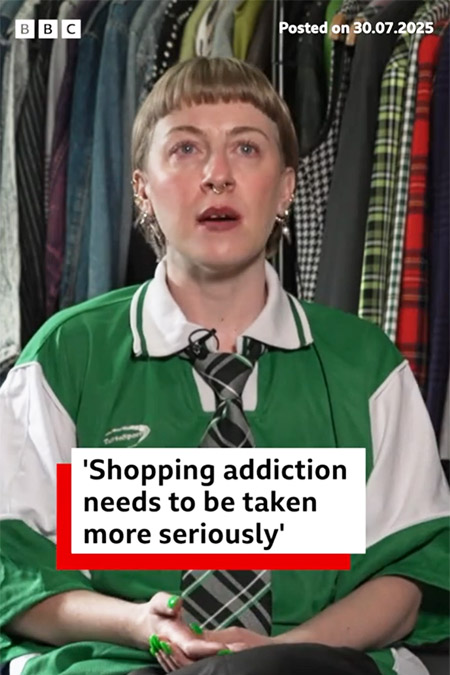
A day of retail therapy can be just the ticket for some people to help them feel better about themselves. But what happens when you can't stop shopping? Surrounded by racks of shirts, dresses and jumpers, Lucy tells me that she could spend up to 14 hours a day searching out new clothes as an escape from reality.
Read More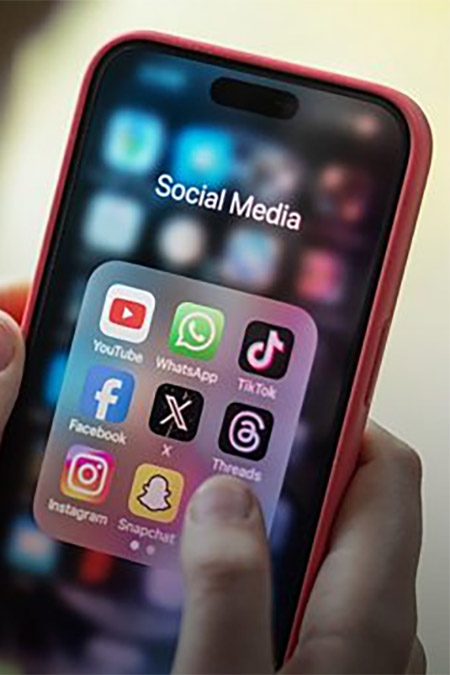
The test, led by the UK government, will see 300 teens have their social apps disabled entirely, blocked overnight or capped to one hour's use - with some also seeing no such changes at all - in order to compare their experiences.
Read MoreWe greatly appreciate your feedback on this website and would like to know what information you found useful and what services you would like to see next. Please take a couple of minutes to let us know.
survey


