

n the past few years internet addiction (IA) and internet gaming disorder (IGD) have become very frequent, leading to many personality and psychiatric disorders including low self-esteem, impulsivity, poor sleep quality, mood disorder, and suicide. IA has been included in Appendix III of the Diagnostic and Statistical Manual for Mental Disorders (DSM-5) as IGD. In addition, IA leads to many neuroanatomical and neurochemical alterations including cortical thinning of various components of the brain and altered dopaminergic reward circuitry. Due to widespread neuropsychiatric and neurobiological implications of IA, multiple therapeutic approaches are needed. Integrative therapy in the form of yoga and mindfulness has proven to be effective in many addiction disorders including IA.
Tripathi, A. (2017). Impact of internet addiction on mental health: An integrative therapy is needed. Integrative Medicine International, 4(3-4), 215–222.
Read the full article on Karger.

This systematic review synthesised evidence on the influence of social media use on depression, anxiety and psychological distress in adolescents. All domains correlated with depression, anxiety and psychological distress.
Read More
/afk - Away from Keyboard explores the relationship between online gamers and the games that they play. It examines the evolution of the World of Warcraft from its infancy to its non-existent conclusion and beyond. Through the lives of several key characters, this film shows the real joys associated with online games while offering an objective look at some of its inherent trappings.
Read More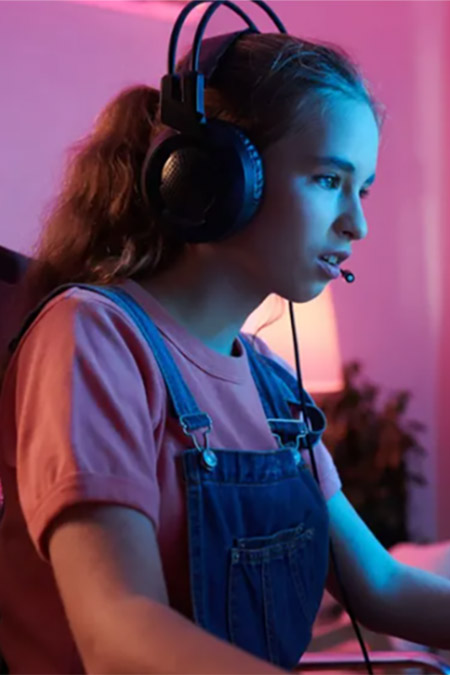
Gaming platforms and social media pose similar risks for children: excessive time spent online, and potential exposure to predators, harmful content or bullying. Dr Daniela Vecchio wonders why gaming platforms have not been included in Australia's "world-first" social media ban for under-16s.
Read MoreWe greatly appreciate your feedback on this website and would like to know what information you found useful and what services you would like to see next. Please take a couple of minutes to let us know.
survey


